


| Issue |
Int. J. Lim.
Volume 59, 2023
|
|
|---|---|---|
| Article Number | 2 | |
| Number of page(s) | 13 | |
| DOI | https://doi.org/10.1051/limn/2023001 | |
| Published online | 01 February 2023 | |
Research Article
Geothermal water as a nutrient medium source on the biomass productivity and biochemical composition of Spirulina (Arthrospira platensis) under the greenhouse conditions
1
Department of Food Processing, Armutlu Vocational School, Yalova University, 77500 Armutlu, Yalova, Turkey
2
Department of Aquaculture, Armutlu Vocational School, Yalova University, 77500 Armutlu, Yalova, Turkey
3
Department of Aquaculture, Faculty of Fisheries, İzmir Katip Çelebi University, 35620 Çiğli, İzmir, Turkey
4
Department of Medical Services and Techniques, Vocational School of Health Services, Gaziantep University, 27310 Sehitkamil, Gaziantep, Turkey
* Corresponding author: This email address is being protected from spambots. You need JavaScript enabled to view it.
Received:
28
March
2022
Accepted:
2
January
2023
Abstract
Spirulina (Arthrospira platensis Gomont, 1892) is grown in highly alkaline waters and is an important ingredient for many industries. However, analytical grade-based media in used commercial-scale production of Spirulina is quite expensive. Spirulina cultivation was studied by replacing the Schlösser medium with geothermal water in terms of its biomass, biochemical content, amino acid and mineral production. Spirulina was cultured in a semi-open raceway system with a 420 L culture volume for three weeks. Then, the geothermal water (GW) was replaced with 25% (GW25), 50% (GW50), 75% (GW75) and 100% (GW100) of the volume of the Schlösser culture medium (SM). The biomass concentration was determined to the higher in the GW50 (1.324 g/L) than in other groups (GW25, GW75, GW100 and SM), while the minimum yield was in GW100 (0.624 g/L) group. The highest protein content and phycocyanin purity ratio were found in the GW75 medium containing 116.6 times higher phosphate than the SM. The chlorophyll content of SM, GW25 and GW50 was higher than that of the GW100 (P < 0.05). The highest lipid content was determined in the GW100 (P < 0.05). Isoleucine, leucine and valine levels of the GW50 and GW75 were higher than those of the other groups (P < 0.05). The iron levels of the GW50 and GW75 groups, which have the highest nitrate content in the culture mediums, were significantly lower. The chlorophyll, phycocyanin, protein, dry biomass, mineral and amino acid in groups (GW25, GW50 and GW75) prepared by mixing Schlösser medium and geothermal water mix were better than geothermal water (GW100) and SM. As a result, it is concluded that it is possible to use partial geothermal water in Spirulina production under this study conditions.
Key words: Microalgae / natural mineral water / potential culture mediums / bioactive components / biomass economic index
© EDP Sciences, 2023
1 Introduction
Algae, which has superior properties thanks to the benefits offered to the human body than many foods or pharmaceuticals (Sabarinathan and Ganesan, 2008; Bhowmick et al., 2020), is one of the sustainable foods that are easy to grow and consume. Algae can complement traditional agriculture in a more sustainable way for our planet. Because algae can convert carbon dioxide into organic matter, it has the potential to create a balanced ecosystem in the future. Algae cultivation will be an important field of work to meet the fuel and food that people will need future (Slate et al., 2019; Torres-Tiji et al., 2020). Besides, algae contain valuable bioactive and food components.
Microalgae have been an important economic activity for the renewable energy, food, pharmaceutical and feed industries because they contain valuable bioactive and food components. Spirulina (Arthrospira platensis) is one of the cyanobacterium (Cyanophyceae: Microcoleaceae) with the highest nutritional profile among all foods for humans and animals that are culturable in alkaline water using sunlight, water, inorganic nutrients and carbon dioxide (Capelli and Cysewski, 2010). It is sold as a highly bioavailable functional food due to its content of high-value materials such as protein, amino acids, fatty acids, vitamins and minerals. Spirulina is generally accepted as safe by the European Food Safety Authority (Chacón‐Lee and González‐Mariño, 2010). Spirulina is an important antioxidant and antimicrobial source for living organisms (Bhowmick et al., 2020) due to its high-valued cell compounds such as pigments, polyphenols, Vitamin E and Vitamin D (Michael et al., 2018; Bhowmick et al., 2020; Lafarga et al., 2020; Ragaza et al., 2020). For this reason, the production amounts of Spirulina have increased globally in recent years (FAO, 2021).
Spirulina is successfully grown in a highly alkaline culture medium that minimises contamination. It is generally produced using Zarrouk's or Schlösser's etc. mediums (Zarrouk, 1966; Schlösser, 1982). However, these media are considerably expensive due to their agricultural-grade mineral salts. Providing an inexpensive nutrient medium sufficient to promote growth during cultivation is essential to the commercial spread of Spirulina worldwide. Recent research on Spirulina cultivation has focused on increasing productivity or reducing production costs without reducing its nutrient content (Soni et al., 2017). The culture medium or alternative materials such as seawater, natural mineral water, manure water and industrial wastes are successfully used to reduce the production cost of Spirulina (Sandeep et al., 2013; Dineshkumar et al., 2016; Trinh and Nguyen, 2020). One of the methods to reduce the cost of Spirulina production could be the use of geothermal water resources (Godlewska et al., 2015; Trinh and Nguyen, 2020). Geothermal resources are used in many different fields such as heating, electricity generation, tourism and agriculture (Lund et al., 2005, 2011; Godlewska et al., 2015). The water from geothermal sources is naturally rich in minerals. These waters contain minerals that can be applied to produce microalgae at a high rate. Geothermal water can reduce the cost of mineral salts in Spirulina's production in the algae culture medium preparation. The integration of microalgae production technologies into geothermal resources around the world is seen as an essential step. Therefore, the present study aimed to evaluate the effect of different geothermal water levels as alternative culture media on the growth performance, biochemical content, amino acid and minerals profiles in Spirulina (A. platensis).
2 Materials and methods
2.1 Geothermal water and Spirulina culture conditions
The study was carried out in Algae Culture Unit, Armutlu Vocational School, Yalova University, Yalova, Turkey. Geothermal water was delivered from the thermal springs in Armutlu, Yalova, with the contributions of Armutlu Municipality. The axenic culture of Spirulina (A. platensis) was obtained from UTEX 3086. The cultures were cultivated pre-trial and stocked in fiberglass race-way type algae tanks with 2000 lx illuminance and photoperiod of 12:12 (light:dark) of fluorescents. The temperature was recorded as 26.5 ± 1.1 °C during the study. Initially, the axenic culture of Spirulina was inoculated in an 80 L plexiglass algae tank containing Schlösser's (1982) medium. After that, secondary culture with scale-up was performed into four 500 L fiberglass algae tanks in duplicate when the culture concentration of A. platensis reached 0.8–0.9 g/L. Spirulina samples were taken from three different regions of each algae tank and six samples (n = 6) were used for the experimental analysis (Fig. 1). This culture was used as a stock culture for experiments at the 420 L scale.
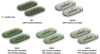 |
Fig. 1 Schema of the experimetal setup. |
2.2 Experimental design
Schlösser's (1982) medium was used as the standard control medium (SM). The constituents presented in Schlösser's medium were substituted with geothermal water to prepare the new media. As the experimental groups, the geothermal water was replaced with 25% (GW25), 50% (GW50), 75% (GW75) and 100% (GW100) of the volume of the Schlösser culture medium (Fig. 1). The nutrient mediums of all culture groups were designed as 360 L. Spirulina strain (60 L) was inoculated at 1:6 of the volume of prepared nutrient medium. The initial mean biomass yield of the Spirulina medium was measured as 0.19 ± 0.03 g/L. The culturing of all groups was prepared with a 420 L culture volume. Spirulina culture tanks were provided with a 4500 L minimum water capacity submersible pump (Aqua Magic WP6000). The growth of culture was measured three times a week spectrophotometrically (A750) (Hach Lange DR 2800), culture conditions (pH, temperature and illuminance) and greenhouse conditions (Fig. 2) followed for three weeks in June.
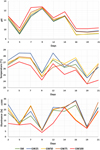 |
Fig. 2 Temperature (°C), pH, and illuminance (lx) of the experimental Spirulina culture mediums under the greenhouse conditions during the 21 days. |
2.3 Spirulina harvesting
The biomass concentration was estimated by sampling and filtering 20 mL of each culture using a vacuum pump and GF/C filter paper (Whatman) before harvesting. The filter paper was dried in a dry oven (75 °C) for 4–6 h, followed by biomass measurement. At the end of the trial, Spirulina was harvested with 45 μ plankton mesh, washed with tap water and filtered to obtain fresh Spirulina. Fresh Spirulina was dried in a spray dryer (Shanghai Pilotech Instrument & Equipment Co. Ltd. YC-015 model spray dryer with 1500 mL/h capacity).
2.4 Analyses
2.4.1 Water analysis
Physicochemical water analyses for all culture mediums (Tab. 1) were carried out in the Department of Medical Ecology and Hydroclimatology, İstanbul Faculty of Medicine, İstanbul University, Turkey. The concentrations reported in Table 1 were freshly prepared. It is the analysis of nutrient media obtained by replacing 25%, 50%, 75% and 100% of Schössler nutrient media with geothermal water. The concentrations reported in this table were determined as a result of the analysis of freshly prepared nutrient media. Before A. spirulina inoculation, Schlösser medium as a control group prepared in the laboratory and physicochemical content of experimental nutrient media containing geothermal water were determined. Physicochemical, anion, cation, insoluble matter and trace element analysis of all culture mediums were performed according to Standard Methods for the Examination of Water and Wastewater (Clesceri et al., 1989).
Physicochemical properties of experimental mediums.
2.4.2 Spirulina productivity
The harvested culture was filtered through the filter paper, weighed and dried at 75 °C for 4–6 h. The biomass efficiency was calculated according to the difference between the first and last weight after the filter paper was cooled (Jain and Singh, 2012). Chlorophyll-a (mg/g) was estimated by the procedure and equation suggested by Parsons and Strickland (1965). Optical density was determined by absorbance measurement at 750 nm on a spectrophotometer. Phycocyanin yield (mg/g) was determined according to Moraes et al. (2011). The phycocyanin purity ratio (A620/280) was determined according to Abalde et al. (1998).
2.4.3 Economic analysis
In calculating the media cost, the prices of all the components that make up the media have been calculated by taking into account the local chemical companies (i.e., Türkiye Şişecam, Gübretaş, Akdaş Kimya). The geothermal water price (0.50 €/m3) was listed from Armutlu Municipality. However, biomass economic index (BEI) was assessed with the formula below:
BEI (€/kg dry Spirulina) = 1000 × Biomass yield × Medium cost (€/g).
2.4.4 Proximate analysis
Analysis of the chemical compositions in the Spirulina was performed according to standard procedures of AOAC (2000). Dry matter was determined by drying at 105 °C until a constant weight was obtained. Ash content was determined by burning in a muffle furnace at 525 °C for 12 h. Crude protein (N*6.25) was analysed by the Kjeldahl method after acid digestion using the Gerhardt system. According to Folch et al. (1957), crude lipid was extracted with chloroform/methanol (2:1 v/v).
2.4.5 Amino acid analysis
60 mg of Spirulina was hydrolysed in 10 mL of 6 M HCl in screw-capped tubes to analyse amino acids. The tubes were flushed with N and then heated at 110 °C for 24 h. The hydrolysates were rotary-evaporated to dryness under vacuum at 40 °C and then re-dissolved in a sodium citrate buffer at pH 2.2. The amino acids were separated by ion-exchange chromatography on a sodium column and detected following post-column derivatisation with ninhydrin by measuring absorbance at 350–450 nm. Identification and quantification of the detected amino acid were performed using external standards after adjustments by linear regression. The standard amino acid was purchased from Sigma-Aldrich Co, the USA, as a synthetic mixture of AAs.
2.4.6 Mineral analysis
The concentrations of sodium (Na), potassium (K), magnesium (Mg), calcium (Ca), phosphorus (P), iron (Fe), zinc (Zn), copper (Cu), selenium (Se) and manganese (Mn) in the Spirulina biomass were conducted according to AOAC (2000). The individual minerals of the prepared samples were determined using Atomic Absorption Spectrophotometer (Thermo iCE 3000 AAS).
2.5 Statistical analysis
All data were subjected to one-way analysis of variance (ANOVA), after proving the normality and homogeneity of the data, followed by Duncan's multiple range test for analysing group means by using Statgraphics Centurion XVI (Statpoint Technologies Inc., The Plains, VA) statistical software (Zar, 1999). The correlation between the physico-chemical properties of the culture medium and the chemical contents of Spirulina was analysed by using Statgraphics Centurion XVI. Samples were taken each trial, and all analyzes were performed on six sampling. All means were presented with standard errors (±SE). Differences were considered significant at the 95% confidence interval.
3 Results
3.1 Optical density and biomass yield
The growth of the culture was evaluated according to the optical density. The biomass yield of the GW100 was significantly lowest among the other groups (P < 0.05), while SM, GW25, GW50 and GW75 were statistically similar (Tab. 2). The water hardness, sulfate, magnesium and manganese contents of the GW100 group were very high compared to other groups. This situation draws attention as a factor that negatively affects biomass yield, as seen in the correlation analysis (Tab. 3).
Biomass yield and biomass economic index of Spirulina cultured in the Schlösser's medium and in the different ratios of geothermal water.
Proximate composition of Spirulina cultured in the Schlösser's medium and in the different ratios of geothermal water.
3.2 Economic analysis
The cost of the Schlösser medium used in the production of Spirulina was calculated as 0.0150 €/L (Tab. 2). The medium cost was reduced by geothermal water substitution instead of Schlösser medium. The biomass economic index (BEI) was calculated by considering the cost of the medium required to obtain 1 kg of dry Spirulina. The BEI decreases with the increase in geothermal water level in the experimental groups. The BEI of the SM and GW25 was statistically higher than the other groups (P < 0.05).
3.3 Biochemical analysis
The biochemical composition of all groups was presented in Table 3. The correlation between the physicochemical content of the culture medium and biochemical values of Spirulina was given in Table 4. The lowest protein content was determined in SM, GW50 and GW100 groups, while the GW25 and GW75 were the highest (P < 0.05). The phosphate content in GW25 and GW75 groups was higher than in the other groups (P < 0.05). Correlation results also indicated that protein content positively affected groups with high phosphate content. The highest lipid contents were determined in the GW100 and SM and GW75 were lower than GW25 (P < 0.05). The hardness, sulfate, magnesium, manganese and cadmium content of the GW100 group was a factor that increased the lipid level of Spirulina. An increase in the amount of geothermal in the nutrient medium caused the high-level magnesium in the culture media. Increasing the hardness of the culture water compared to the SM caused an increase in the lipid obtained. The ash content of Spirulina increased with the level of geothermal water, and the GW100 was significantly higher than that of the SM and GW25 groups (P < 0.05). An increase in magnesium and silicate acid was determined with the rise in the geothermal water component in the nutrient media. The amount of silicate acid and magnesium, together with cadmium, manganese and sulfate, were decisive factors for increasing the Spirulina ash content obtained at the end of the experiment.
3.4 Chlorophyll and phycocyanin analysis
Pigment amount and correlation between physicochemical content of the culture medium and pigments were given in Tables 5 and 6, respectively. The chlorophyll content of SM, GW25 and GW50 was higher than GW100 (P < 0.05). When the correlation analysis was examined, the increase in bromide and potassium increased chlorophyll-a level, as seen in the GW25 group, where the highest chlorophyll was obtained. In the GW100 group, high sulfate, calcium and magnesium decreased Spirulina's chlorophyll content. Increasing the amount of cadmium and manganese in the nutrient media is among the factors that adversely affect chlorophyll. The phycocyanin yield of Spirulina obtained from the experiment groups ranged between 80.19 mg/g and 93.69 mg/g, and no significant difference was found between the groups (P > 0.05). It has been determined that the phycocyanin purity rate taken from all groups is at a value that can be used in food grade. The purity ratio of phycocyanin selected from the GW75 group was the highest among the other groups (P < 0.05). When the correlation analyses were examined, nitrate in the culture medium had a first-degree effect on the purity ratio of phycocyanin.
Correlation between nutrient salts in culture mediums and biochemical content of Spirulina cultured in the Schlösser's medium and in the different ratios of geothermal water.
Pigments of Spirulina cultured in the Schlösser's medium and in the different ratios of geothermal water.
Correlation between nutrient salts in culture mediums and pigments of Spirulina cultured in the Schlösser's medium and in the different ratios of geothermal water.
3.5 Amino acids
The essential amino acid content of experimental groups was listed in Table 7. The correlation relationship between the physicochemical content of the culture medium and the amino acid profiles of Spirulina was given in Table 8. The isoleucine, leucine, methionine and threonine levels of Spirulina increased with the culture medium's nitrate and zinc content. Isoleucine, leucine, threonine and valine contents of Spirulina were found high in the GW50 and GW75 groups with the lowest carbonate value in the culture medium (P < 0.05). Arginine of the GW100 and phenylalanine of the SM and GW25 were significantly the lowest amongst the experimental groups (P < 0.05). The lysine of the GW75 and GW100 were higher than GW50 (P < 0.05). Methionine of the GW75 was significantly highest in all of the other groups (P < 0.05).
Amino acid profile of Spirulina cultured in the Schlösser's medium and in the different ratios of geothermal water.
Correlation between nutrient salts in culture mediums and amino acid profile of Spirulina cultured in the Schlösser's medium and in the different ratios of geothermal water.
3.6 Minerals
The replacement of the Schlösser culture medium with different geothermal waters changed Spirulina's mineral content (Tab. 9). The sodium and potassium contents of the SM and GW100 groups, which have the lowest nitrate content in the culture medium, were significantly highest among all other groups (P < 0.05). The magnesium, calcium and manganese contents of Spirulina were the highest in the GW100 (P < 0.05). The phosphorus level of the GW50 group was significantly lower than GW100 (P < 0.05). The iron levels of the GW50 and GW75, which have the highest nitrate content in the culture medium, were significantly lower than that of all other groups (P < 0.05). The zinc content of the GW100 was substantially higher than SM (P < 0.05). The copper level of the GW25 was significantly highest among the experimental groups (P < 0.05). There is no statistical difference in the selenium between the groups (P > 0.05). Strong correlations were found in different mineral contents with various nutrient salts, except copper (Tab. 10).
Mineral profile of Spirulina cultured in the Schlösser's medium and in the different ratios of geothermal water.
Correlation between nutrient salts in culture mediums and mineral profile of Spirulina cultured in the Schlösser's medium and in the different ratios of geothermal water.
4 Discussion
The differences in nutrient source and culture medium level limit microalgae's intensive growth and change their pigment and biochemical composition (Mostert and Grobbelaar, 1987). The study results showed that Spirulina's production efficiency and biochemical composition were positively affected when the geothermal water was partially replaced instead of the Schlösser medium (Schlösser, 1982). This study obtained the lowest biomass yield in the GW100 group, with the highest hardness content and the most deficient potassium and bromide level. The GW50 group achieved a 1.32 g/L biomass yield and was 9.6 times more abundant in potassium than the GW100 group. Potassium is a vital nutrient mineral that contributes to photosynthesis and phytochemicals long-distance transport. The physiological and biochemical responses lead to decreased photosynthetic carbon assimilation when the potassium is insufficient in cells (Tränkner et al., 2018). In the study, the biomass yield of Spirulina declined in the culture strains that had an inadequate amount of potassium. The sulfate, magnesium and manganese above the levels required for the effectiveness of the culture may have an effect that limits the full benefit of the minerals in the nutrient medium. As a remarkable point, the high sulfate content in the GW100 affects biomass yield negatively; however, the highest biomass yield in the GW50 group was obtained with the most elevated sulfate among the other geothermal groups. There is no statistical difference between the other groups regarding biomass yield, except for the GW100 group. While these results indicate the limiting effects of very high amounts of sulfate, the necessity of culture media containing sufficient quantities of sulfate emerges (Costa et al., 2003).
The economic viability of microalgae production can be achieved if operating and maintenance costs are minimized, and the microalgae's biomass efficiency, bioactive components and chemical contents are maximized (Singh and Gu, 2010). One of the crucial strategies in reducing the operating cost in Spirulina production is to use natural waters or wastewaters containing carbonate and bicarbonate instead of expensive nutrient media, which can provide nutrients for Spirulina growth. In this study, the cost of the nutrient medium was reduced when the geothermal water, which is rich in mineral content, was partially replaced with the Schlösser medium.
Anions and cations in the culture medium play a decisive role in the carbon flux. Carbon flux has a decisive role in forming biochemical composition in Spirulina. Phosphorus deficiency affects energy-requiring processes such as protein synthesis, transcription and carbon cycling (Mühlroth et al., 2017). Phosphate in the GW75 and GW25 media was higher than in the other groups, and the highest protein content was determined in the GW75 group. Spirulina's protein and lipid content mainly depend on the nitrogen source and levels in the culture medium (Rodrigues et al., 2010). Nitrogen and phosphate are the essential nutrients for synthesising protein, nucleic acid, enzymes and energy-carrying molecules (ATP) (Juneja et al., 2013). However, phosphate in the culture medium is one of the most critical compounds affecting Spirulina's protein content. Iron, phosphorus, potassium, magnesium, nitrogen, manganese and calcium are the leading elements in the cofactor and structural component features required in photosystems II and I in cyanobacteria. The chlorophyll molecule is formed in the presence of nitrogen and magnesium elements. During the kelvin cycle process in which organic matter is synthesized, the required ATP yield may vary depending on the adequate supply of the elements in the nutrient medium during photosystem II and I reactions (light-dependent reactions). Since ATP is formed with adenine, ribose and three phosphorus, the amount of phosphate in the nutrient medium in light-dependent reactions supported protein synthesis in the dark reactions (Calvin cycle) of the GW75 group. Iron is a minor but essential element found in the structure of ferredoxin and involved in the synthesis of chlorophyll. In the formulation with high protein yield (GW75), the amount of iron and nitrogen required for metabolic processes and other components is sufficient to achieve high efficiency. In our study, the phosphate content was not represented by a regular increase or decrease in the experimental mediums. It was observed that the protein content was significantly higher in the GW25 and GW75 groups, where the phosphate content was high compared to the other groups. This situation may be due to the use of polyethene materials in the analysis process. Also, there is no linear relationship between the increase in the culture medium's geothermal water level and the groups' protein and lipid values. This situation could be attributed to the irregularities or interactions in the molecular distribution of water when the geothermal water and the Schlösser medium are mixed. More detailed research should be done by preparing alternative culture media formulations that provide high protein, lipid and other bioactive component values.
An increase in lipid synthesis was observed in algae growing in the nitrogen deficiency in the culture medium, while a decrease in protein content was also noted. These results are similar to Juneja et al. (2013) and Minhas et al. (2016). Nitrogen deficiency in the culture medium affects the biochemical content of Spirulina. Nitrate deficiency in the culture medium is accepted as a triggering factor that increases the lipid level of microalgae (Uslu et al., 2011). This study obtained the highest lipid content and the lowest biomass yield in the GW100 group, with the lowest nitrogen content in the culture medium. Bajwa et al. (2018) report that Nannochloropsis oculata, Chlorella pyrenoidosa and Scenedesmus obliquus grown in culture medium with sufficient nitrogen and phosphorus have high bioavailability and high lipid accumulation when there is insufficient nitrogen in the culture medium.
Microalgae generally have less than 10% of their dry weight as ash (Becker, 1986). The ash content of Spirulina in the study shows a decreasing trend as the mineralisation level of the culture medium increases. As the culture medium's geothermal water level increased, Spirulina's ash content increased. High sulfate, calcium, magnesium, silicate acid and cadmium content in the GW100 culture medium are reasons for the high ash content. Cardoso et al. (2021) declared low levels of the nutrients led to stress and decreased ash content of Spirulina.
As the culture medium's potassium and bromide contents decrease, Spirulina's chlorophyll content also tends to decrease. The GW100 culture medium determined the lowest chlorophyll content with the most deficient potassium and bromide content. The GW25 group, which has the optimum bromide and potassium level and positively affects photosynthesis, could be considered the ideal group in terms of pigment. El-Sheekh et al. (2021) declared that Kuhl's medium, which is rich in potassium nitrate (KNO3), enhances the chlorophyll content of Spirulina. Michael et al. (2019) also noted the chlorophyll content of the high potassium contained medium was the highest. Conversely, in this study, the increase in sulfate in the culture medium reduced the chlorophyll content of Spirulina. Excess sulfate may have a reducing effect on chlorophyll (Datta and Sharma, 1990). Silicate has played a suppressive role in chlorophyll content, and it is especially noticeable as a factor that causes the chlorophyll content of the GW100 group to be significantly low. In the present study, the lowest amount of chlorophyll pigment was determined in the GW100 (P < 0.05) group, while the amount of chlorophyll tended to decrease with geothermal water substitution. However, this trend is not valid for phycocyanin yield. Because, as seen in Table 5, zinc is also effective in forming phycocyanin pigment, but this situation is not dominant in the chlorophyll pigment. However, it is understood that potassium, bromide, sodium and chlorine play a more active role in forming chlorophyll than phycocyanin pigment.
Spirulina contains two billiprotein known as C-phycocyanin and allophycocyanin. Phycocyanin is a water-soluble blue pigment that helps capture more light from the chlorophyll during photosynthesis (Abalde et al., 1998; Tunail, 2009). Phycocyanobilin chromophore, responsible for the blue color of the phycocyanin molecule, provides the formation of the phycocyanin structure (Santiago-Santos et al., 2004; Brosnan and Brosnan, 2006). Although the phycocyanin yield is not statistically different between groups, sulfate improves spriulina's phycocyanin yield. Higher phycocyanin yields were obtained in the GW100, GW50 and GW25 compared to the others. It is impossible to mention the same situation regarding the purity of phycocyanin. The highest phycocyanin purity was obtained in the GW75 group with the lowest sulfate content. A study also reported similar results at different ammonium sulfate levels in the culture medium of A. maxima (Mirhosseini et al., 2021). The nitrate significantly affected the phycocyanin purity, although it did not considerably impact the phycocyanin yield. Zinc is an essential element in phycocyanin purity. Table 6 shows that the presence of zinc in the Spirulina nutrient medium supports high phycocyanin purity, and it can be mentioned that high carbonate and bicarbonate cause a decrease in phycocyanin purity. The structure of phycocyanin varies according to the type of microorganism and culture conditions (Contreras-Martel et al., 2007). The most crucial phycocyanin producer among Cyanobacteria is A. platensis, a phototrophic cyanobacterium species. It has been found that phycocyanin pigment, which has a blue colour, has antioxidant and anticancer properties (Gault and Marler, 2009). In this study, the phycocyanin purity ratio obtained from all groups was classified as food-grade (Kuddus et al., 2013) because its purity is more than 0.7.
The study determined the positive effects of nitrate and zinc in the culture mediums on the essential amino acid profile (Tabs. 6 and 7). The amount of isoleucine, leucine, threonine and tryptophan was positively affected by increased nitrate and zinc in the culture mediums. The high amount of these amino acids is associated with the low carbonate in the culture medium. Autotrophic algae use carbon dioxide > bicarbonate > carbonate to prioritise as the inorganic carbon source (Christenson and Sims, 2011). The other essential amino acids, except lysine, valine and phenylalanine of the GW75 group, which has the lowest amount of carbonate and the highest amount of nitrate and zinc in the culture medium, were higher compared to the others (P > 0.05). Methionine in Spirulina is the highest in the GW75 group (P < 0.05). Sulfur-containing compounds such as methionine and cysteine are potent antioxidants that prevent cell damage (Fanatico, 2021). Although methionine is from the sulfur-containing amino acid group, it indicates that the lowest sulfate-containing GW75 contains sufficient sulfate for methionine synthesis. Provided that adequate methionine is available, methionine can turn into cysteine. Although cysteine is not an essential amino acid, the presence of methionine, an essential amino acid, is necessary (Brosnan and Brosnan, 2006). There should be at least 250 mg/L nitrates in the culture medium to obtain Spirulina with high methionine content and phycocyanin purity. Different nutrients influence the yield and purity of phycocyanin under culture conditions. Phycocyanin is a pigment that forms a complex with cysteine. However, the relationship between phycocyanin purity and methionine appears to be a subject worth investigating. The increased sulfate levels, magnesium, manganese, copper and cadmium in the culture medium reduced Spirulina's arginine level (P < 0.05). The phenylalanine content of Spirulina was reduced by increased bicarbonate, chloride, sodium and carbonate in the culture medium. With the increase in geothermal water in the nutrient medium, a decrease in bicarbonate, carbonate, chloride and sodium was determined. The amount of phenylalanine decreased in the GW25 and SM due to the lower zinc and silicate concentrations (P < 0.05). Coca et al. (2015) stated protein productivity of beet vinasse supplemented Schlösser medium at low concentration (1 g/L) was higher than the control (Schlösser) medium.
Culture medium components for Spirulina production are essential in changing the mineral profile of Spirulina. For instance, the lack of nitrogen in the culture medium caused it to be rich in Spirulina's potassium and sodium (Michael et al., 2019). In addition, the high chromium level in the GW100 and Schlösser nutrient media is among the factors that increase the sodium content of the harvested Spirulina. Our study concluded that the phosphorus amount of Spirulina was related to the amount of manganese and chromium in the culture medium. The mineral profile of Spirulina, harvested with the decrease of nitrate level in the culture media, was generally high, except for copper. The zinc level of Spirulina also increased with the copper level in the culture medium. With the increase in the amount of sulfate and the decrease in potassium in the culture medium, the calcium, magnesium and manganese content of Spirulina increased. The increased carbonate level in the culture medium has enabled Spirulina production with high iron content (Michael et al., 2019). With the rise in the hardness of the culture medium water, the magnesium and calcium content of the harvested Spirulina also increased. In addition, the presence of bromide in the culture medium draws attention as a factor that reduces the calcium content of Spirulina.
Metals are natural soil and soil crust components, but groundwater like geothermal waters could accumulate these metals. Some metals are called micronutrients (Cu, Zn, Ni, Mn and Co, I, Fe) and are helpful for algal growth and vital functions (Wells et al., 2017). However, some heavy metals such as Pb and Hg are toxic, and their excessive intake may affect metabolic processes and algae's physique (Mikulewicz et al., 2017). For instance, there is no mercury in the geothermal water used in this research. Mandatory plant nutrients are elements that the plant must have to survive. These elements are defined as irreplaceable elements, and in their absence, there is no plant life (Rice, 2007; Fageria et al., 2010).
This study investigated a novel, low-cost culture medium for Spirulina growth was formulated, using partially geothermal water instead of Schlösser medium to provide some of the nutrients required for this microalga. In this study, Spirulina growth was achieved in all experimental groups containing geothermal water, except GW100, and a significant amount of harvest was made. As a result, it is suggested that geothermal water could be used as the alternative medium for the optimum biomass and production of beneficial nutrients and some bioactive components in Spirulina. Also, it is recommended to conduct further studies on long-term preservation without losing its nutritional value in geothermal water.
Acknowledgements
This study was funded by the Republic of Turkey Ministry of Agriculture and Forest, General Directorate of Agricultural Research and Policies with Project Number 16/R&D/22. Some parts of this study have been presented in International Agriculture Science Congress, Van, Turkey, as an oral presentation on May 09–12, 2018. We would like to thank Mehmet Birkan, Mayor of Armutlu at the time, who helped with the geothermal water supply.
References
- Abalde J, Betancourt L, Torres E, Cid A, Barwell C. 1998. Purification and characterisation of phycocyanin from the marine cyanobacterium Synechococcus sp. IO9201. Plant Sci 136: 109–120. [CrossRef] [Google Scholar]
- AOAC. 2000. Official methods of analysis (17th ed.) Gaithersburg, MD: Association of Official Analytical Chemists. [Google Scholar]
- Bajwa K, Bishnoi NR, Kirrolia A, Selvan ST. 2018. Evaluation of nutrient stress (Nitrogen, Phosphorus Regimes) on physio-biochemical parameters of oleaginous micro algal strains and SEM study under nutrient stress. Int J Environ Sci Nat Res 10: 1–7. [Google Scholar]
- Becker EW. 1986. Nutritional properties of microalgae: potentials and contraints. In Richmond A. (ed.), CRC Handbook of Microalgae Mass Culture. Boca Raton, FL: CRC Press, pp. 339–420. [Google Scholar]
- Bhowmick S, Mazumdar A, Moulick A, Adam V. 2020. Algal metabolites: An inevitable substitute for antibiotics. Biotechnol Adv 43: 107571. [CrossRef] [PubMed] [Google Scholar]
- Brosnan JT, Brosnan ME. 2006. The sulfur-containing amino acids: an overview. J Nutr 136: 1636S–1640S. [CrossRef] [PubMed] [Google Scholar]
- Capelli B, Cysewski GR. 2010. Potential health benefits of Spirulina microalgae. Nutrafoods 9: 19–26. [CrossRef] [Google Scholar]
- Cardoso LG, Duarte JH, Costa JAV, de Jesus Assis D, Lemos PVF, Druzian JI, de Souza CO, Nunes IL, Chinalia FA. 2021. Spirulina sp. as a bioremediation agent for aquaculture wastewater: production of high added value compounds and estimation of theoretical biodiesel. Bioenergy Res 14: 254–264. [CrossRef] [Google Scholar]
- Chacón‐Lee TL, González‐Mariño GE. 2010. Microalgae for “healthy” foods—possibilities and challenges. Compr Rev Food Sci Food Saf 9: 655–675. [CrossRef] [PubMed] [Google Scholar]
- Christenson L, Sims R. 2011. Production and harvesting of microalgae for wastewater treatment, biofuels, and bioproducts. Biotechnol Adv 29: 686–702. [CrossRef] [PubMed] [Google Scholar]
- Clesceri LS, Greenberg AE, Trussell RR. 1989. Standard methods for the examination of water and wastewater (17 ed.), Washington, DC: American Public Health Association, 1268 p. [Google Scholar]
- Coca M, Barrocal VM, Lucas S, González-Benito G, García-Cubero MT. 2015. Protein production in Spirulina platensis biomass using beet vinasse-supplemented culture media. Food Bioprod Process 94: 306–312. [CrossRef] [Google Scholar]
- Contreras-Martel C, Matamala A, Bruna C, Poo-Caamaño G, Almonacid D, Figueroa M, Martínez-Oyanedel J, Bunster M. 2007. The structure at 2 Å resolution of Phycocyanin from Gracilaria chilensis and the energy transfer network in a PC-PC complex. Biophys Chem 125: 388–396. [CrossRef] [PubMed] [Google Scholar]
- Costa JAV, Colla LM, Duarte Filho P. 2003. Spirulina platensis growth in open raceway ponds using fresh water supplemented with carbon, nitrogen and metal ions. Z Naturforsch C 58: 76–80. [CrossRef] [PubMed] [Google Scholar]
- Datta KS, Sharma KD. 1990. Effect of chloride and sulphate types of salinity on characteristics of chlorophyll content, photosynthesis and respiration of chickpea (Cicer arietinum L.). Biol Plant 32: 391–395. [CrossRef] [Google Scholar]
- Dineshkumar R, Subramanian G, Dash SK, Sen R. 2016. Development of an optimal light-feeding strategy coupled with semi-continuous reactor operation for simultaneous improvement of microalgal photosynthetic efficiency, lutein production and CO2 sequestration. Biochem Eng J 113: 47–56. [CrossRef] [Google Scholar]
- El-Sheekh M, Morsi H, Hassan L. 2021. Growth enhancement of Spirulina platensis through optimisation of media and nitrogen sources. Egypt J Bot 61: 61–69. [Google Scholar]
- Fageria NK, Baligar VC, Jones CA. 2010. Growth and mineral nutrition of field crops (3rd ed.) Boca Raton, FL: CRC Press. [CrossRef] [Google Scholar]
- Fanatico A. 2021. Organic poultry production: Providing adequate methionine, ATTRA Sustainable Agriculture www.attra.ncat.org (accessed on December 15, 2021). [Google Scholar]
- FAO. 2021. Food and Agriculture Organization Global Aquaculture Production Statistics. http://www.fao.org/fishery/statistics/global-aquaculture-production/en (accessed on December 25, 2021). [Google Scholar]
- Folch J, Lees M, Sloane-Stanley GH. 1957. A simple method for the isolation and purification of total lipids from animal tissues. J Biol Chem 226: 497–509. [CrossRef] [PubMed] [Google Scholar]
- Gault PM, Marler HJ. 2009. Handbook on cyanobacteria. Nova Science Publishers. [Google Scholar]
- Godlewska K, Tomaszewska B, Michalak I, Bujakowski W, Chojnacka K. 2015. Prospects of geothermal water use in cultivation of Spirulina. Open Chem 13: 1218–1227. [CrossRef] [Google Scholar]
- Jain S, Singh SG. 2012. Optimisation of biomass yield of Spirulina platensis grown in petha (Benincasa hispida Thunb.) waste in different culture conditions. Indian J Biotechnol 11: 498–501. [Google Scholar]
- Juneja A, Ceballos RM, Murthy GS. 2013. Effects of environmental factors and nutrient availability on the biochemical composition of algae for biofuels production: a review. Energies 6: 4607–4638. [CrossRef] [Google Scholar]
- Kuddus M, Singh P, Thomas G, Al-Hazimi A. 2013. Recent developments in production and biotechnological applications of C-phycocyanin. BioMed Res Int 2013: 742859. [CrossRef] [Google Scholar]
- Lafarga T, Fernández-Sevilla JM, González-López C, Acién-Fernández FG. 2020. Spirulina for the food and functional food industries. Food Res Int 137: 109356. [CrossRef] [PubMed] [Google Scholar]
- Lund JW, Freeston DH, Boyd TL. 2005. Direct application of geothermal energy: 2005 worldwide review. Geothermics 34: 691–727. [CrossRef] [Google Scholar]
- Lund JW, Freeston DH, Boyd TL. 2011. Direct utilisation of geothermal energy: 2010 worldwide review. Geothermics 40: 159–180. [CrossRef] [Google Scholar]
- Michael A, Kyewalyanga MS, Lugomela CV. 2019. Biomass and nutritive value of Spirulina (Arthrospira fusiformis) cultivated in a cost-effective medium. Ann Microbiol 69: 1387–1395. [CrossRef] [Google Scholar]
- Michael A, Kyewalyanga MS, Mtolera MS, Lugomela CV. 2018. Antioxidants activity of the cyanobacterium, Arthrospira (Spirulina) fusiformis cultivated in a low-cost medium. Afr J Food Sci 12: 188–195. [CrossRef] [Google Scholar]
- Mikulewicz M, Chojnacka K, Kawala B, Gredes T. 2017. Trace elements in living systems: from beneficial to toxic effects. BioMed Res Int SI2017: 8297814. [Google Scholar]
- Minhas AK, Hodgson P, Barrow CJ, Adholeya A. 2016. A review on the assessment of stress conditions for simultaneous production of microalgal lipids and carotenoids. Front Microbiol 7: 546. [CrossRef] [PubMed] [Google Scholar]
- Mirhosseini N, Davarnejad R, Hallajisani A, Cano-Europa E, Tavakoli O, Franco-Colín M, Blas-Valdivia V. 2021. Cultivations of Arthrospira maxima (Spirulina) using ammonium sulfate and sodium nitrate as an alternative nitrogen sources. Iran J Fish Sci 20: 475–489. [Google Scholar]
- Moraes CC, Sala L, Cerveira GP, Kalil SJ. 2011. C-Phycocyanin extraction from Spirulina platensis wt biomass. Braz J Chem Eng 28: 45–49. [CrossRef] [Google Scholar]
- Mostert ES, Grobbelaar JU. 1987. The influence of nitrogen and phosphorus on algal growth and quality in outdoor mass algal cultures. Biomass 13: 219–233. [CrossRef] [Google Scholar]
- Mühlroth A, Winge P, El Assimi A, Jouhet J, Maréchal E, Hohmann-Marriott MF, Vadstein O, Bones AM. 2017. Mechanisms of phosphorus acquisition and lipid class remodeling under P limitation in a marine microalga. Plant Physiol 175: 1543–1559. [CrossRef] [PubMed] [Google Scholar]
- Parsons TR, Strickland JDH. 1965. Particulate organic matter III. I. Pigment analysis. III. II Determination of phytoplankton pigments. J Fish Res Bd Can 8: 117–127. [Google Scholar]
- Ragaza JA, Hossain MS, Meiler KA, Velasquez SF, Kumar V. 2020. A review on Spirulina: alternative media for cultivation and nutritive value as an aquafeed. Rev Aquacult 12: 2371–2395. [CrossRef] [Google Scholar]
- Rice RW. 2007. The physiological role of minerals in the plant. In: Datnoff L.E., Elmer W.H. and Huber D.M. (eds.), Mineral Nutrition and Plant Disease. St. Paul, Minnesota: The American Phytopathological Society, pp. 9–29. [Google Scholar]
- Rodrigues MS, Ferreira LS, Converti A, Sato S, Carvalho JCM. 2010. Fed-batch cultivation of Arthrospira (Spirulina) platensis: potassium nitrate and ammonium chloride as simultaneous nitrogen sources. Bioresour Technol 101: 4491–4498. [CrossRef] [PubMed] [Google Scholar]
- Sabarinathan KG, Ganesan G. 2008. Antibacterial and toxicity evaluation of C-phycocyanin and cell extract of filamentous freshwater cyanobacterium-Westiellopsis sps. Eur Rev Med Pharmacol Sci 12: 79–82. [PubMed] [Google Scholar]
- Sandeep KP, Shukla SP, Harikrishna V, Muralidhar AP, Vennila A, Purushothaman CS, Ratheesh Kumar R. 2013. Utilisation of inland saline water for Spirulina cultivation. J Water Reuse Desal 3: 346–356. [CrossRef] [Google Scholar]
- Santiago-Santos MC, Ponce-Noyola T, Olvera-Ramírez R, Ortega-López J, Caňizares-Villanueva RO. 2004. Extraction and purification of phycocyanin from Calothrix sp. Process Biochem 39: 2047–2052. [CrossRef] [Google Scholar]
- Schlösser UG. 1982. Sammlung von algenkulturen. Berichte der Deutschen Botanischen Gesellschaft 95: 181–276. [Google Scholar]
- Singh J, Gu S. 2010. Commercialization potential of microalgae for biofuels production. Renew Sustain Energy Rev 14: 2596–2610. [CrossRef] [Google Scholar]
- Slate AJ, Whitehead KA, Brownson DAC, Banks CE. 2019. Microbial fuel cells: an overview of current technology. Renew Sustain Energy Rev 101: 60–81. [CrossRef] [Google Scholar]
- Soni RA, Sudhakar K, Rana RS. 2017. Spirulina-From growth to nutritional product: a review. Trends Food Sci Technol 69: 157–171. [CrossRef] [Google Scholar]
- Torres-Tiji Y, Fields FJ, Mayfield SP. 2020. Microalgae as a future food source. Biotechnol Adv 41: 107536. [CrossRef] [PubMed] [Google Scholar]
- Tränkner M, Tavakol E, Jákli B. 2018. Functioning of potassium and magnesium in photosynthesis, photosynthate translocation and photoprotection. Physiol Plant 163: 414–431. [CrossRef] [Google Scholar]
- Trinh DV, Nguyen PTH. 2020. Minimising the cost of Spirulina platensis culture medium using Vinh Hao natural mineral water. Chem Eng Trans 78: 19–24. [Google Scholar]
- Tunail N. 2009. Microbiology. Ankara: Pelin Press, 448 p. [Google Scholar]
- Uslu L, Işık O, Koç K, Göksan T. 2011. The effects of nitrogen deficiencies on the lipid and protein contents of Spirulina platensis. Afr J Biotechnol 10: 386–389. [Google Scholar]
- Wells ML, Potin P, Craigie JS, Raven JA, Merchant SS, Helliwell KE, Smith AG, Camire ME, Brawley SH. 2017. Algae as nutritional and functional food sources: revisiting our understanding. J Appl Phycol 29: 949–982. [CrossRef] [PubMed] [Google Scholar]
- Zar JH. 1999. Biostatistical analysis (4th edn.) Upper Saddle River: Prentice-Hall Inc., 929 p. [Google Scholar]
- Zarrouk C. 1966. Contribution à l'étude d'une cyanophycée. Influence de divers facteurs physiques et chimiques sur la croissance et photosynthese de Spirulina maxima Geitler, Ph.D. Thesis, University of Paris. [Google Scholar]
Cite this article as: Güroy B, Güroy D, Mantoğlu S, Karadal O, Bayil Oğuzkan, S. 2023. Geothermal water as a nutrient medium source on the biomass productivity and biochemical composition of Spirulina (Arthrospira platensis) under the greenhouse conditions. Int. J. Lim. 59: 2:
All Tables
Biomass yield and biomass economic index of Spirulina cultured in the Schlösser's medium and in the different ratios of geothermal water.
Proximate composition of Spirulina cultured in the Schlösser's medium and in the different ratios of geothermal water.
Correlation between nutrient salts in culture mediums and biochemical content of Spirulina cultured in the Schlösser's medium and in the different ratios of geothermal water.
Pigments of Spirulina cultured in the Schlösser's medium and in the different ratios of geothermal water.
Correlation between nutrient salts in culture mediums and pigments of Spirulina cultured in the Schlösser's medium and in the different ratios of geothermal water.
Amino acid profile of Spirulina cultured in the Schlösser's medium and in the different ratios of geothermal water.
Correlation between nutrient salts in culture mediums and amino acid profile of Spirulina cultured in the Schlösser's medium and in the different ratios of geothermal water.
Mineral profile of Spirulina cultured in the Schlösser's medium and in the different ratios of geothermal water.
Correlation between nutrient salts in culture mediums and mineral profile of Spirulina cultured in the Schlösser's medium and in the different ratios of geothermal water.
All Figures
|
Fig. 1 Schema of the experimetal setup. |
| In the text | |
|
Fig. 2 Temperature (°C), pH, and illuminance (lx) of the experimental Spirulina culture mediums under the greenhouse conditions during the 21 days. |
| In the text | |
Current usage metrics show cumulative count of Article Views (full-text article views including HTML views, PDF and ePub downloads, according to the available data) and Abstracts Views on Vision4Press platform.
Data correspond to usage on the plateform after 2015. The current usage metrics is available 48-96 hours after online publication and is updated daily on week days.
Initial download of the metrics may take a while.