


| Issue |
Int. J. Lim.
Volume 62, 2026
|
|
|---|---|---|
| Article Number | 2 | |
| Number of page(s) | 11 | |
| DOI | https://doi.org/10.1051/limn/2026001 | |
| Published online | 09 February 2026 | |
Research article
Multiple drivers shape winter swarms of the bloody-red shrimp Hemimysis anomala
1
Université Savoie Mont Blanc, INRAE, CARRTEL, 74200 Thonon-les-Bains, France
2
Pôle ECLA (OFB, INRAE, USMB), 74200 Thonon-les-Bains, France
* Corresponding author: This email address is being protected from spambots. You need JavaScript enabled to view it.
Received:
1
December
2025
Accepted:
4
January
2026
Abstract
The bloody-red shrimp Hemimysis anomala, a Ponto-Caspian mysid, has invaded many large lakes in Europe and North America. It exhibits a pronounced seasonal behaviour, forming massive winter swarms (WS) whose dynamics are likely driven by different processes implying reproduction capacities, responses to resource availability and/or predation pressure. We hypothesize that these different processes may not be mutually exclusive but could rather be successively involved in explaining the formation and disappearance of WS. We also expected that water temperature may be a major indirect driver of WS dynamics by indirectly controlling the above processes. To test these hypotheses, we used a combination of high-frequency video monitoring (through acoustic and visible-infrared cameras), direct diving observations, and diet analyses to track the dynamics of a WS of H. anomala in Lake Geneva at different time-scales. Our results reveal adult-juvenile successions during swarm formation while swarm ending was associated to the presence of only juveniles suggesting an effective implication of reproduction for WS formation and possibly its collapse. Temperature had a negative indirect effect on H. anomala abundance during the WS collapse and was only partly mediated by the littoral returns of perch (Perca fluviatilis) for which active predation was clearly identified from videos.
Key words: Lake / invasive species / mysids / temperature / reproduction / predation
© H. Rogissart et al., Published by EDP Sciences, 2026
 This is an Open Access article distributed under the terms of the Creative Commons Attribution License (https://creativecommons.org/licenses/by/4.0), which permits unrestricted use, distribution, and reproduction in any medium, provided the original work is properly cited.
1 Introduction
Massive aggregation is a widespread phenomenon among species worldwide that can be caused by diverse drivers related to facilitation of mate encounters for reproduction (Domeier and Colin, 1997; Wilcove and Wikelski, 2008; Erisman et al., 2012), supply of local resources (Genin, 2004), anti-predation strategies (Clark and Mangel, 1986; Lindén, 2007; Menezes, 2021) or the search for suitable habitat refugia (Hunt et al., 2019). The actual mechanism behind the aggregation of individuals can hence be questionable for particular species especially for those whose ecology remains poorly known, which is typically true for exotic species within newly invaded ecosystems. Indeed, when exotic species colonize new environments, they encounter new environmental conditions as well as novel ecological interactions with the native fauna (Sih et al., 2010; Saul et al., 2013). Together, these factors or processes can drive rapid behavioral adaptations that diverge from those observed in their native ranges, forming the basis of their ecological impacts on recipient ecosystems (Wright et al., 2010; Ruland and Jeschke, 2020). For instance, previously undocumented massive aggregations of wels catfish (Silurus glanis) have been recorded in the Rhône River (France), and although the underlying mechanism remains to be elucidated, they can represent important biogeochemical hotspots (Boulêtreau et al., 2011), as also observed for aggregations of invasive loricariid catfishes (Capps and Flecker, 2013). Furthermore, these aggregations can also drive significant ecological and socio-economic impacts, as shown by the invasive ctenophore Mnemiopsis leidyi, which has been associated with zooplankton collapse and fishery declines (Marambio et al., 2013; Roohi et al., 2024; Piccardi et al., 2025).
The mysid Hemimysis anomala, commonly known as the bloody-red shrimp, is a small crustacean of the order Mysida (family Mysidae). It is characterized by rapid growth and high fecundity, producing multiple generations per year with approximately 20–50 embryos per female (Borza, 2014). The species also exhibits broad physiological tolerance across a wide range of environmental conditions, including temperature (2–28 °C), salinity (0–18 ‰), and conductivity (98–29,200 μS cm⁻¹; Wittmann, 2007), but see Rogissart et al. (2025) for a recent review. This mysid is a generalist feeder consuming both zooplankton and phytoplankton but also detrital resources (Ketelaars et al., 1999; Borcherding et al., 2007; Evans et al., 2018; Frossard et al., 2024). Native to the Ponto-Caspian region, it has invaded many large lakes in Europe and North America and has often been reported to form massive winter swarms (WS) in open water, at shallow depths (<20 m) in littoral habitats. These WS can reach up to 20 m in length and 5 m height, and be composed of thousands to millions of individuals (Golaz and Väinölä, 2013; Jacquet, 2023; Rogissart et al., 2024, 2025). These aggregations generally disappear rapidly from the water column within a few days during the winter-to-spring transition (Wachala et al., 2025). This raises questions regarding the factors or processes driving the temporal dynamics of these WS. Several biological and environmental drivers have been hypothesized to contribute to both formation and disappearance of WS, including reproductive processes (Ketelaars et al., 1999; Dumont and Muller, 2010), resource availability (Frossard et al., 2024; Wachala et al., 2025), predation pressure (Lantry et al., 2012; Gallagher et al., 2015), and temperature-mediated effects acting indirectly on these processes (Pothoven et al., 2007; Jacquet, 2023; Rogissart et al., 2025). Firstly, WS formation is expected to support a reproductive function since such aggregations generally include ovigerous females (Dumont and Muller, 2010, Frossard and Fontvieille, 2018, Jacquet, 2023). Alternatively, H. anomala WS may also represent a feeding-related behavior, potentially enhancing foraging efficiency or reducing energetic costs associated with resource acquisition, consistent with a trophic function (Ritz et al., 2001; Wachala et al., 2025). Indeed, differences in diet compositions between individuals sampled in pelagic swarms and those collected from benthic habitats further support a link between swarming behavior and resource acquisition (Wachala et al., 2025). Regarding WS disappearance, its suddenness could suggest an on-off mechanism. This could be related to the end of reproductive events associated with a synchronic collective release of young juveniles followed by adult dispersal and / or individual mortality following reproduction (Mauchline, 1980; Ketelaars et al., 1999). Indeed, in the nearby Lake Bourget, a marked transition from adult-dominated to juvenile-dominated populations was observed prior to WS disappearance in early spring (Frossard and Fontvieille, 2018). An alternative hypothesis explaining the termination of WS could involve temperature rising affecting resource availability (Ketelaars et al., 1999). Indeed, in Lake Geneva, WS collapse typically occurs with increasing littoral water temperature during winter-to-spring transition from March to April (Jacquet, 2023), a period that is also characterized by a marked rise in phytoplankton biomass (CIPEL, 2023). This can enable H. anomala to access a wider range of trophic resources as compared to those available in winter times (Frossard et al. 2024), possibly implying a change in trophic strategies where aggregation is no more efficient (Wachala et al., 2025). At the same time, the warming of littoral temperature fosters fish activity and H. anomala individuals swimming in open water may be particularly vulnerable to predation in this context. In large peri-alpine lakes, the European perch (Perca fluviatilis) dominates fish communities (Anneville et al., 2017) and represents a strong candidate for H. anomala predation (Borcherding et al., 2007; Gallagher et al., 2015). Yet, other fish species can also consume H. anomala such as pumpkinseed (Lepomis gibbosus) or burbot, Lota lota), but their densities are minor relative to perch and their predation pressure is then expected to be minor. European perch exhibits seasonal migrations, overwintering in deep offshore waters (water depth >20 m up to 60 m depth) and returns towards littoral habitats in early spring when temperatures are rising (Thorpe, 1977; Imbrock et al., 1996; Guillard et al., 2006). Hence, the perch return to the littoral zone may typically coincide with the disappearance of H. anomala WS. In this sense, temperature rising during the winter-to-spring transition could be a major indirect driver of WS dynamics by conditioning its termination mediated by both an increase in resource availability and predation pressure.
In this study, we mobilized a wide array of monitoring approaches to track, at complementary temporal scales, the dynamics of an H. anomala WS and its potential drivers in Lake Geneva. At the seasonal scale, we characterized the development stages present in H. anomala WS to evaluate whether it could be linked to a reproductive process. The implication of predation on WS dynamics was assessed using two complementary ways. First, we investigated perch stomach contents using both visual and molecular approaches across multiple depths, covering a temporal sequence from late winter to early autumn (February–October) over several sampling years. Secondly, high-frequency acoustic and visible-infrared cameras were deployed to focus on the sudden WS disappearance during a winter-to-spring transition (February-April 2022). During this period, we quantified short-term fluctuations in swarm density and tracked concurrent changes in water temperature and perch presence in the littoral zone of Lake Geneva. This multi-scale integrative approach design allowed us to test how the dynamics of H. anomala WS could be mediated by a set of successive processes implying reproductive opportunity, predation avoidance and resource availability together indirectly mediated by seasonal variations of water temperature.
2 Materials and methods
2.1 Study and sampling area
Lake Geneva is the largest peri-alpine lake located between France and Switzerland (46°27’N, 06°32’E), covering a surface area of 582 km2, with a maximum depth of 309 m (mean depth: 157 m) and an elevation of 372 m above sea level (Fig. 1A). During the last decades, this ecosystem allowed the settlement of a variety of exotic species, amongst which the bloody-red shrimp (Golaz and Väinölä, 2013; Lods-Crozet, 2020). The survey of H. anomala WS was conducted at Amphion-les-Bains on the French shore of the lake (46°23’51’’N, 6°32’10’’E; Fig. 1A) at 45 meters from the shoreline and at a depth of 4 meters where animal aggregation has been observed by divers each winter since 2019 in a concrete pipe of known volume (Rogissart et al., 2024). This survey included video recordings from two types of cameras (acoustic for WS and visible-infrared for perch detection; Figs. 1B and 1C) and diving observations from both recreational and scientific divers (Fig. 1D).
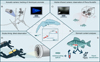 |
Fig. 1 Schematic overview of the methodological framework used to track the dynamics of Hemimysis anomala winter swarms in Lake Geneva. The central panel (A) shows the study area near Amphion-les-Bains and Thonon-les-Bains. Triangle indicates the site of instrument deployment (acoustic and infrared cameras), while red points indicate perch stomach sampling sites (littoral and deeper offshore locations). The study combined four complementary approaches: (B) high-frequency acoustic camera to quantify mysid swarm dynamics; (C) visible-infrared video recordings to monitor perch (Perca fluviatilis) presence with direct observation of predation events; (D) direct underwater observations of mysid swarms by scientific and recreational divers; and (E) analysis of perch stomach contents using environmental DNA approaches (metabarcoding, ddPCR) and visual identification. |
2.2 Seasonal survey of Hemimysis anomala
The seasonal survey of H. anomala WS was conducted through direct underwater observations by scientific and volunteer divers (citizen science) at the concrete pipe site in Amphion-les-Bains between October 2021 and April 2022. In total, 47 dives were performed, corresponding to 23 h 32 min of underwater observation. Dives were conducted during daytime, primarily in the morning (09:00–10:30), with a limited number of dives in the early afternoon (14:00–15:30; n = 5). This timing ensured that H. anomala winter swarms had retreated into their shelters, facilitating accurate counts and life-stage assessments. During each dive, divers visually estimated the density of H. anomala within a 1.4 m3 reference cylinder (concrete pipe) using the standardised underwater protocol described in Rogissart et al. (2025; Appendix 1), in which abundance classes (ind. m−3) and life-stage proportions (juveniles, adults) are recorded on a waterproof submersible plate. This approach provided estimates of density and life stage composition throughout the seasonal cycle, from initial swarm formation to its complete disappearance. The estimated number of individuals present during each dive was obtained by multiplying density by the pipe volume (1.4 m3), and juvenile-adult counts were derived from the observed life-stage proportions. Monthly juvenile and adult proportions were weighted by this estimated number of individuals inside the pipe.
2.3 Monitoring the winter swarm collapse
The Adaptive Resolution Imaging Sonar (ARIS) Explorer 3000 (Sound Metrics Corporation, Washington, USA) was used to monitor H. anomala WS over successive periods between February 20th and March 30th, 2022. A total of nine monitoring sessions, each spanning two consecutive days, were equally spaced throughout this period to capture swarm dynamics during the disappearance phase. These sessions encompassed the onset of perch arrival in the littoral zone. After aligning data from overlapping sessions, daily H. anomala detections were summed and log-transformed, resulting in eight daily values used for analysis of WS abundance in relation to perch detections obtained from the infrared camera. Each deployment covered the night-time period from 5:00 pm to 9:00 am, providing continuous observations as a proxy for WS abundance. Operating at high frequencies, the ARIS produces video-like acoustic images by capturing reflected signals from objects with densities different from the surrounding medium. The sonar was set to 3 MHz to achieve maximum resolution (2.9 mm) within a detection range of 1.1 to 6 meters. The first meter was excluded from analysis due to strong echoes that caused signal distortion. Data were continuously recorded in 10-minute intervals using ARIScope software (v. 2.7.3) and subsequently aggregated to daily sums to match the time resolution of perch abundance and water temperature data. Hourly water temperature data (0–4 m depth) were obtained from the Alplakes platform (Baracchini et al., 2020; Wüest et al., 2021). The study site corresponds to a grid cell of the hydrodynamic model encompassing Amphion-les-Bains.
A detailed description of the setup and methodology is provided in Rogissart et al. (2024).
2.4 Monitoring fish presence and predation events
To investigate the impact of fish density on H. anomala, an infrared (IR) camera (Abysse 650P, LCTECH, France) was deployed at the same location as the acoustic camera. The IR camera was mounted on a metallic frame and equipped with two infrared LED projectors to enhance night visibility. The camera operated between March 15 and March 30, 2022, recording six-hour periods each night (5:00–11:00 pm and 4:00–10:00 am), with 15-minute file intervals. The camera’s effective detection range extended to approximately 2 m at night under infrared illumination and up to about 6 m during daylight conditions, providing clear visibility of the concrete pipe and the adjacent bottom area. A total of 156.7 hours of video footage (Tab. S1) was analyzed, which was processed at ×4 speed using VLC Media Player (v. 3.0.18, VideoLAN Organization). For each video, all fish visible within the camera's field of view were manually recorded by noting the video file name, date, time of observation, and the number of individuals present. Perch (P. fluviatilis) largely dominated the assemblage, whereas other species were only occasionally observed and are not known as potential predators of H. anomala (e.g., Esox lucius). The video file name, date, and the time of each perch sighting were logged and stored in a CSV file for further analysis. Unlike the acoustic camera, the visible-infrared camera enabled the direct visualization of perch predation events on H. anomala during both daytime and nighttime observations (Movies S1–S3). Video data from two recording sessions (15 and 18 March) and from two consecutive days (24–25 March) were lost due to equipment malfunction (Tab. S1). Daily perch detections were aggregated and standardized as counts per hour of observation effort, to correct for variation in sampling duration (two days with 6 h and 6.7 h compared to the usual 12 h). Perch detections were used as a proxy of predation pressure, encompassing both consumptive interactions and non-consumptive effects mediated by predator cues (e.g., visual or chemical signals) that can trigger behavioural responses in H. anomala.
2.5 Diet analyses of perch
To identify whether perch consumed H. anomala across sites and sampling periods, we analyzed perch stomach contents using complementary visual and molecular approaches. Perch stomachs were collected at depths ranging from 5 to 45 m in the vicinity of Thonon-les-Bains (Figs. 1A and 1E), where both scientific surveys and fishery-based sampling were conducted during winter 2021–2022 and summer 2022. We also sought to assess whether predation persisted after swarm disappearance, which would indicate dispersion of individuals rather than mortality. To this end, we compiled stomach samples collected across multiple periods and depth, from littoral sites (5–10 m) to offshore sites down to 45 m.
A total of 187 perch were collected during scientific survey campaigns (2018 and 2022) and from professional fishers in the Thonon-les-Bains area of Lake Geneva (2022–2023). Fish were retrieved early in the morning following night fishing, using gillnets of various mesh sizes ranging from 12.5 to 29 mm (Tab. S2). For each sampling campaign, the number of perch analyzed, gillnet mesh size, depth range, and mean total lengths (TL) were recorded (Tab. S2). This sampling design yielded individuals with mean TL ranging from approximately 116 to 168 mm. Stomachs were excised from captured fish and preserved in 70% ethanol (Hyslop, 1980). Stomachs with no visible content (n = 15) were excluded from further analyses. Stomach contents were inspected under a stereomicroscope (Olympus SZ-CTV) equipped with a camera (AxioCam MRc) to identify prey based on morphological remains (Hyslop, 1980).
To complement visual identification, 16 additional perch obtained from a professional fisher in the Thonon-les-Bains area across eight sampling dates between February and April 2023 were analyzed using molecular tools (Figs. 1A and 1E). Metabarcoding was used to characterize the overall prey composition within stomach contents, while droplet digital PCR (ddPCR) provided a highly specific quantification of H. anomala DNA. Sampling and extraction procedures followed standard eDNA protocols for stomach content analysis. Detailed laboratory procedures for DNA extraction, amplification, sequencing, and ddPCR are described in Appendix S1.
2.6 Data analysis
Due to the limited sample size, to assess causal pathways between water temperature, perch detections and H. anomala swarm abundance, we applied a simple mediation analysis using the classic three-equation approach (Baron and Kenny, 1986; Preacher and Hayes, 2008). Each path was estimated using linear models, allowing us to test both direct and indirect effects of water temperature on H. anomala WS abundance, mediated through perch detections. The significance and 95% confidence interval (CI) of the indirect effect were assessed using non-parametric bootstrap resampling with 10,000 iterations (Preacher and Hayes, 2008).
To handle missing data in the time series, we used two generalized additive models (GAMs, quasi-Poisson distribution, log link) for imputation purposes with a smooth term for day index. Two missing days (24–25 March) and two partially sampled days (15, 18 March) were completed by predicting the number of perch detections for the missing hours to reach 12 h. In addition, daily H. anomala WS abundance was imputed for days lacking complete acoustic coverage within the perch monitoring period (see Fig. 3).
Statistical analyses were performed using R (v. 4.3.2; R Core Team 2024). GAMs were fitted using the mgcv package (Wood, 2017), and results were visualized using the ggplot2 package (Wickham, 2011).
3 Results
3.1 Seasonal dynamics of winter swarm
Diving observations revealed marked seasonal changes in the estimated density of H. anomala swarms (Fig. 2). No individuals were detected in early autumn, but swarm density increased progressively from late autumn, peaked during winter until early spring, and declined rapidly thereafter. No swarms were observed from mid spring onward, corresponding to zero-density observations (open grey circles in Fig. 2). Both adults and juveniles were found within the WS, indicating that these aggregations encompassed multiple life stages rather than a single cohort. Throughout the winter, their relative occurrence alternated, with adults predominating from December to March and juveniles being observed both in mid-winter (January) and during the late phase of the WS. By late March, adults were no longer observed, while juveniles persisted until spring. Peak winter densities exceeded 103 ind. m⁻3 (max. observed = app. 5,000 individuals), consistent with dense winter aggregations described in Lake Geneva.
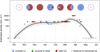 |
Fig. 2 Seasonal dynamics of Hemimysis anomala estimated density (ind. m−3) from winter 2021 to summer 2022, based on diving observations of the swarm located in the reference concrete pipe (1.4 m3). Points represent individual observations, distinguished by life stage (blue circles = Juvenile, green triangles = Juvenile or Adult, red squares = Adult) and by absence of individuals (open grey circles, i.e., no mysids detected). The black line and grey shaded area show a loess smoother with its 95% confidence interval. The y-axis is shown on a logarithmic scale. Inset pie charts above each month summarize the proportion of juveniles (J) and adults (A) (weighted by total individuals observed across dives). |
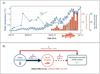 |
Fig. 3 Temperature, detection of Perca fluviatilis and Hemimysis anomala winter swarm in Lake Geneva. A) Water temperature (blue line), daily sum tracks of H. anomala recorded by the high-frequency acoustic camera (green triangles) and daily P. fluviatilis detections from infrared video monitoring (orange bars, March 15–30, 2022). Counts for March 15 and 18 (completed) and March 24 and 25 (no direct observations) were predicted from a GAM (95% confidence intervals, CI95). Abundance values of H. anomala for days lacking complete acoustic coverage were similarly predicted with associated CI95. B) Mediation model depicting the direct and indirect effects of water temperature on daily perch detection, and H. anomala swarm abundance. Path coefficients were estimated from linear regressions; the indirect effect (a × b) was computed by bootstrap (10,000 iterations). Solid arrows indicate significant effects (p < 0.05), dashed arrows non-significant effects (p > 0.05). Arrow colour denotes the direction of effect (blue = positive, red = negative). |
3.2 Disappearance of winter swarm
During the infrared camera monitoring period (15–30 March), mean littoral water temperature increased from 6.7 to 7.8 °C, while the daily abundance of H. anomala swarms declined markedly (from 1.3 × 10⁶ to 2.1 × 10⁵; Fig. 2). Subsequent dive surveys conducted after the monitoring period revealed a complete absence of H. anomala swarms from 25 April onward, when mean water temperature reached approximately 10 °C (9.96 °C). The mediation analyses showed that temperature was significantly associated with both perch detections and WS abundance. Specifically, water temperature had a significant positive effect on perch detections (a = 2.19 ± 0.23, p < 0.001; Fig. 3B) and a significant negative total effect on winter swarm abundance (c = −1.73 ± 0.30, p < 0.001). The relationship between perch detection and H. anomala WS abundance was negative but non-significant (b = −0.41 ± 0.35, p = 0.26). Nevertheless, temperature also exerted an indirect negative effect on WS abundance through perch detections (ab = −0.89 [95% CI −2.26; 0.67]). This indirect pathway accounted for approximately 52% of the total temperature effect (Tab. S3).
3.3 Stomach content analyses (visual and molecular)
Among the 187 perch stomachs analyzed, Hemimysis anomala was only detected in individuals captured at shallower depths (5–12 m) during summer (July–September; Fig. 4). No occurrences of H. anomala in perch collected deeper than 20 m earlier in the season (February–June) could be identified. However, during the second part of March when the visible-infrared camera was deployed, perch predation events on H. anomala swarms could be actually recorded by visible-infrared camera, both during day and at night times (Movies S1–S3), providing visual confirmation of active trophic interactions during the WS collapse.
Complementary, metabarcoding of 16 perch stomachs revealed a diverse set of prey taxa, including the pelagic cladoceran (Daphnia galeata, Bythotrephes longimanus) and benthic macroinvertebrate (Dikerogammarus villosus) and fish (Rutilus rutilus, Coregonus sp., Tinca tinca) (Fig. S1). However, no reads were assigned to H. anomala in the stomach contents of these 16 individuals. Consistently, species-specific ddPCR assays confirmed the absence of H. anomala DNA, supporting the metabarcoding results while validating detection sensitivity (Fig. S2).
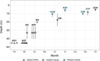 |
Fig. 4 Depth distribution of perch stomachs analyzed for the presence of Hemimysis anomala (all campaigns pooled). Each point represents a sampling campaign and its associated depth, with vertical bars showing the depth range of gillnets tracking perch bathymetric distribution. Symbols indicate the detection of H. anomala in perch stomach contents (blue filled circles: present, white open circles: absent by visual inspection, open triangles: absent by DNA analysis). Numbers above points indicate the number of stomachs where H. anomala was present, relative to the total stomachs examined. |
4 Discussion
By integrating automated monitoring devices, direct diving observations and stomach content analyses, our results support the role of multiple drivers in the formation and disappearance of H. anomala winter swarms. Swarm formation seemed consistent with a reproductive function, whereas swarm disappearance coincided with seasonal warming that could act as an indirect environmental driver of perch activity and resource availability.
4.1 Reproduction implication in WS dynamics
Our study provides evidence of active reproduction during the WS period. Both adults and juveniles were present during the WS formation with alternating dominance where adults prevailed from December to March, while juveniles were observed both in mid-winter and during the final phase of the WS. There could hence be multiple reproductive events during the WS period. Such dense aggregations confer reproductive advantages, notably by increasing mate encounter rates and facilitating successful pairing (Clutter, 1969; Ritz et al., 2011; Sinclair and Arnott, 2016). Interestingly, the disappearance of adults by late March was concomitant with a sharp increase in juveniles suggesting that the termination of WS could be associated with the end of a major reproductive event. This pattern aligns with observations in other peri-alpine lakes, where gravid females dominate winter aggregations, and juveniles appear during early spring when WS disappears (Dumont and Muller, 2010, Frossard and Fontvieille, 2018).
While these elements clearly demonstrate that reproduction is closely associated with WS, they do not by themselves establish reproduction as the primary driver of swarm formation. Instead, they indicate that reproductive processes likely contribute to the seasonal timing and internal structure of WS, alongside other mechanisms such as predation pressure and changes in resource availability. In line with the recent findings of Wachala et al. (2025), no mass mortality was observed following the WS disappearance in diving observations. Adult individuals could hence be expected to disperse into other habitats after their massive aggregation phase. If reproduction could be an important process behind WS formation and maintenance, the processes implied in adult dispersal leading to WS disappearance may hence be related to other factors than a reproductive constraint.
4.2 Predation as driver of WS disappearance
The negative effect of perch on WS density was identified by our mediation model, although its effect was limited. Complementarily, perch predation was directly confirmed by visible-infrared recordings, where perch attack and consumption of H. anomala were observed several times during the WS collapse. These results are consistent with observations from other invaded systems, where perch rapidly incorporate H. anomala into their diet with up to hundreds of mysids ingested per individual (Lantry et al., 2012; Gallagher et al., 2015). The consumption of H. anomala by perch is likely fostered by its high lipid content and nutritional value (Borcherding et al., 2007) making it an energetically attractive prey for perch especially by the end of the overwintering period. Additionally, non-consumptive effects mediated by perch cues such as chemical signals or visual presence, are also likely to affect H. anomala behaviour (Boscarino et al., 2020) and contribute to WS collapse. Indeed, H. anomala possesses a strong behavioural plasticity (Van Gool and Ringelberg, 2002; Boscarino et al., 2020; Rogissart et al., 2025) that can facilitate changes in collective behaviour (swarm formation) and habitat use (dispersion in safer habitats) in the presence of predators. The WS disappearance hence coincided with the return of overwintering perch within the lake littoral habitats that could represent a non-negligible predation pressure possibly constraining H. anomala to adjust its behaviour by shifting from a massive swarm to a dispersed use of safer habitats.
At a larger time scale, the seasonal survey of perch diets highlighted that perch predation on H. anomala was spatially restricted to the lake littoral with positive detections in stomach contents limited to shallow waters (5–12 m) while it was absent from perch diets caught in deeper waters (>20 m). In the littoral habitats, the predation seemed to operate whenever perch were present with positive presence in perch stomach from mid-May to Mid-September. This result indicates that predation pressure on H. anomala could be temporally restricted to spring to summer time when perch are present in surface waters of the littoral zone. The effect of predation pressure of perch on the termination of the WS could thus represent the onset of post-winter trophic interactions between these two species that will last until the following autumn, when perch will travel back to deeper waters to overwinter. Moreover, perch predation during summer times, where no massive aggregation occurs, may suggest that perch could efficiently exploit smaller aggregates of H. anomala in the littoral.
4.3 Temperature as an indirect forcing of WS dynamics
During the winter-to-spring transition, the disappearance of H. anomala WS coincided with a marked increase in water temperature, together with a concomitant increase in perch detections, and complete absence of swarms at water temperatures around 10 °C. Mediation analyses revealed that temperature was significantly associated with both perch presence and WS abundance, highlighting the integrative role of temperature in the processes driving swarm disappearance. More specifically, increasing temperature was associated with a higher detection of perch, while the relationship between perch detections and WS abundance was negative but non-significant. These results indicate that if perch predation may contribute to WS disappearance additional temperature-related processes were involved.
The effect of perch predation can be interpreted as an indirect effect of temperature, as perch phenology and specifically its migration from deep to shallow waters is temperature-dependent (Thorpe, 1977; Imbrock et al., 1996; Guillard et al., 2006).
Complementary diving observations indicated that winter swarms (WS) comprised both adults and juveniles. Adults progressively disappeared toward the end of the swarm period, whereas juveniles were still observed shortly before complete swarm disappearance. The strong statistical association between water warming and WS decline, together with the presence of juveniles, suggests that temperature may also influence the timing of reproduction, representing an additional indirect effect of temperature on WS dynamics. This interpretation is supported by the strong thermal sensitivity of mysid reproductive cycles (Ketelaars et al., 1999; Pothoven et al., 2007).
Finally, rising temperature by the end of winter also increase resource availability that can encourage individuals to disperse (Clobert et al., 2009; Kreuzinger‐Janik et al., 2022; Wachala et al., 2025). In Lake Geneva, spring warming is accompanied by a marked increase in phytoplankton biomass and by a two- to three-fold rise in zooplankton abundance (CIPEL, 2023). Taken together, these results suggest that temperature could hence possibly serve as an environmental cue marking the end of the reproductive period and triggering the dispersal of adults due to predation pressure and new resource availability.
The dominant control of temperature on WS was recently reported by Jacquet (2023) during the winter 2022 where no WS was observed concomitantly to a very warm autumn/winter time. In the context of global warming, the formation of these massive WS in lakes may become increasingly sporadic, or they may even disappear entirely. This would be a major effect of climate change on the phenology of this species.
5 Limits and perspectives
Despite these clear temporal associations, the limited sample size prevented a robust assessment of the relative contributions of temperature and perch predation. Our observations were limited to one single winter-spring season and a limited number of sites. Moreover, we did not have direct mortality estimates and we could not clearly disentangle a disaggregation from a true decline in population. Indeed both high mortality (Ketelaars et al., 1999; Pothoven et al., 2007) and individual survival (Wachala et al., 2025) have been reported following reproduction. Future endeavors could replicate this integrative approach in different sites and years to evaluate the spatial and temporal variability of H. anomala population dynamics. Integrating experimental approaches involving predators, prey, and environmental variables would allow better quantification of the causal pathways linking abiotic forcing, predation pressure, and swarm dynamics. Such integrative monitoring efforts, combining direct observations, citizen-science contributions, acoustic camera and molecular tools, have recently been recommended as the only effective way to capture the full dynamics of H. anomala populations across heterogeneous habitats (Sepulveda et al., 2020; Rogissart et al., 2025). This work will be essential for predicting the eventual ecological consequences of invasive mysids in freshwater ecosystems.
6 Conclusions
The diverse methodological approaches employed in this study across multiple timescales allowed us to demonstrate that the formation and disappearance of H. anomala winter swarms (WS) in Lake Geneva are governed by several interacting processes. The presence of multiple life stages within WS, along with the persistence of juveniles during the final phase of the swarms, supports the hypothesis of a reproductive role for winter swarms. Rising water temperatures during the winter-to-spring transition emerge as a major indirect driver, likely influencing both increased predation pressure and resource availability. These findings highlight the importance of integrative monitoring approaches to disentangle the contributions of such interacting drivers to the seasonal phenology of invasive mysids. In particular, combining high-frequency observations with longer-term surveys is essential to capture the full spectrum of behavioral and demographic processes underlying WS formation and disappearance across years and sites. Future studies should investigate whether warming-driven shifts in swarm phenology alter predator-prey overlap and, beyond predation, whether dense swarms act as transient hotspots that reshape resource availability and indirect interactions within invaded food webs.
Acknowledgements
This study was part of the MYSILAC-2 research program, funded by the Pôle ECLA (ECosystèmes LAcustres) in collaboration with OFB, INRAE, and USMB. The authors would like to acknowledge the support of AnaEE-France (Analysis and Experimentation on Ecosystems) and OLA (Observatory of Lakes) (IR LIFE – INRAE) for their provision of technical resources and equipment. Special thanks are extended to Jean-Christophe Hustache and Clément Rautureau for their invaluable assistance during the fieldwork. The authors also express their gratitude for the loan of the acoustic camera from U3E (Experimentation Unit for Aquatic Ecology and Ecotoxicology). We are deeply thankful to all the divers who participated in the survey and contributed as science participants. Metabarcoding analysis was performed by Argaly. We wish to extend our sincere appreciation to the town of Amphion/Publier, Emotions Plongée (Karine Peillex), and Hôtel de la Plage for their support in facilitating the off-water deployment of equipment. Finally, we thank the two anonymous reviewers for their constructive feedback, which improved the earlier version of the manuscript.
Funding
The research was funded by the Pôle ECLA (ECosystemes LAcustres) (OFB, INRAE, USMB) (research program MYSILAC-2).
Conflicts of interest
One of the authors serves as the Editor-in-Chief of the journal. To ensure the impartiality of the editorial process, the management of this article was conducted entirely by Young-Seuk Park, guest associate editor.
Author contribution statement
Hervé Rogissart: Conceptualization, Methodology, Visualization, Formal analysis, Data curation, Writing – original draft, Writing – review & editing. Victor Frossard: Conceptualization, Methodology, Writing – review & editing. Jean Guillard: Conceptualization, Writing – review & editing. Marine Vautier: Methodology (ddPCR), Formal analysis (ddPCR), Writing – review & editing. Valérie Hamelet: Methodology (stomach content), Formal analysis (stomach content), Writing – review & editing. Cécile Chardon: Methodology (ddPCR), Formal analysis (ddPCR), Writing – review & editing. Stéphan Jacquet: Project leader, Funding acquisition, Conceptualization, Methodology, Writing – review & editing; installed underwater cameras, conducted direct observations through diving, invited recreational divers to participate in the survey.
Supplementary Material
Table S1. Sampling effort for visible-infrared camera observations of perch detections (number of individuals, n) in March 2022. For each sampling date, observation time slots and total daily duration (hours) are indicated. All times are given in local time (CET).
Table S2. Summary of perch sampling campaigns in Lake Geneva. For each campaign, the sampling type (scientific survey or professional fishers), mesh size of gillnets, depth range, number of analyzed perch and mean total length ± standard deviation (sd).
Table S3. Summary of linear model (LMs) used to estimate the direct and indirect path coefficients (a, b, c) in the mediation analysis between water temperature, perch detections and Hemimysis anomala winter swarm abundance in Lake Geneva. Estimates (β), standard errors (SE), t-values, adjusted R2, and p-values are reported.
Figure S1. Main prey taxa detected in perch (Perca fluviatilis) stomachs using three metabarcoding markers, including MiFish-U (fish-specific 12S rRNA), COI_MG2 (targeting arthropods and other metazoans) and Leray-XT (broad-spectrum COI for invertebrates). Bars show the total number of reads per taxon, partitioned by marker. Only relevant prey taxa were retained (non-prey taxa such as parasites, environmental contaminants or bacteria were excluded). No reads were assigned to Hemimysis anomala.
Figure S2. Droplet digital PCR (ddPCR) quantification of DNA from perch (Perca fluviatilis) and Hemimysis anomala. Left panel: stomach content samples analysed by molecular methods (CARA_1-CARA_16). Right panel: positive controls (H. anomala dilution series at 1000, 200, 8 and 1.6 pg; perch; perch and H. anomala) and negative controls (extraction control, T_ext; no-template control, NTC).
Supplementary Movies S1-S3. Underwater infrared recordings documenting predation of perch (Perca fluviatilis) on Hemimysis anomala in Lake Geneva. These sequences illustrate direct predation events observed during late winter. Available at: https://figshare.com/s/cc03cf128e9ea7c1fb28
Movie S1. Predation event recorded on 18 March 2022 at 04:29.
Movie S2. Predation event recorded on 18 March 2022 at 04:30.
Movie S3. Predation event recorded on 22 March 2022 at 05:58.
Appendix S1. Detailed molecular protocols for perch stomach content analysis.
Access Supplementary MaterialReferences
- Anneville O, Vogel C, Lobry J, Guillard J. 2017. Fish communities in the Anthropocene: detecting drivers of changes in the deep peri-alpine Lake Geneva. Inland Waters, 7: 65–76. [CrossRef] [Google Scholar]
- Baracchini T, Chu PY, Šukys J, Lieberherr G, Wunderle S, Wüest A, Bouffard D. 2020. Data assimilation of in situ and satellite remote sensing data to 3D hydrodynamic lake models: a case study using Delft3D-FLOW v4.03 and OpenDA v2.4. Geosci Model Dev 13: 1267–1284. [Google Scholar]
- Baron RM, Kenny DA. 1986. The moderator–mediator variable distinction in social psychological research: conceptual, strategic, and statistical considerations. J Pers Soc Psychol 51: 1173. [CrossRef] [PubMed] [Google Scholar]
- Borcherding J, Hermasch B, Murawski P. 2007. Field observations and laboratory experiments on growth and lipid content of young‐of‐the‐year perch. Ecol Freshw Fish 16: 198–209. [Google Scholar]
- Borza P. 2014. Life history of invasive Ponto-Caspian mysids (Crustacea: Mysida): A comparative study. Limnologica 44: 9–17. [Google Scholar]
- Boscarino BT, Oyagi S, Stapylton EK, McKeon KE, Michels NO, Cushman SF, Brown ME. 2020. The influence of light, substrate, and fish on the habitat preferences of the invasive bloody red shrimp, Hemimysis anomala. J Great Lakes Res 46: 311–322. [Google Scholar]
- Boulêtreau S, Cucherousset J, Villéger S, Masson R, Santoul F. 2011. Colossal aggregations of giant alien freshwater fish as a potential biogeochemical hotspot. Steinke D, ed. PLoS ONE 6: e25732. [Google Scholar]
- Capps KA, Flecker AS. 2013. Invasive Fishes Generate Biogeochemical Hotspots in a Nutrient-Limited System. Fontaneto D, ed. PLoS ONE 8: e54093. [Google Scholar]
- CIPEL. 2023. Rapports sur les études et recherches entreprises dans le bassin lémanique : campagne 2022. Commission Internationale pour la Protection des Eaux du Léman (CIPEL). [Google Scholar]
- Clark CW, Mangel M. 1986. The evolutionary advantages of group foraging. Theor Popul Biol 30: 45–75. [Google Scholar]
- Clobert J, Le Galliard J, Cote J, Meylan S, Massot M. 2009. Informed dispersal, heterogeneity in animal dispersal syndromes and the dynamics of spatially structured populations. Ecol Lett, 12: 197–209. [Google Scholar]
- Clutter RI. 1969. The microdistribution and social behavior of some pelagic mysid shrimps. J Exp Mar Biol Ecol 3: 125–155. [Google Scholar]
- Domeier ML, Colin PL. 1997. Tropical reef fish spawning aggregations: defined and reviewed. Bull Mar Sci 60: 698–726. [Google Scholar]
- Dumont S, Muller CD. 2010. Distribution, ecology and impact of a small invasive shellfish, Hemimysis anomala in Alsatian water. Biol Invasions 12: 495–500. [Google Scholar]
- Erisman B, Aburto-Oropeza O, Gonzalez-Abraham C, Mascareñas-Osorio I, Moreno-Báez M, Hastings PA. 2012. Spatio-temporal dynamics of a fish spawning aggregation and its fishery in the Gulf of California. Sci Rep 2: 284. [Google Scholar]
- Evans TM, Naddafi R, Weidel BC, Lantry BF, Walsh MG, Boscarino BT, Johannsson OE, Rudstam LG. 2018. Stomach contents and stable isotopes analysis indicate Hemimysis anomala in Lake Ontario are broadly omnivorous. J Great Lakes Res 44: 467–475. [Google Scholar]
- Frossard V, Fontvieille D. 2018. What is the invasiveness of Hemimysis anomala (Crustacea, Mysidae) in the large deep Lake Bourget, France? Hydrobiologia 814: 219–232. [CrossRef] [Google Scholar]
- Frossard V, Vagnon C, Jacquet S. 2024. Seasonal variations of the trophic niche width of Hemimysis anomala in Lake Geneva. Hydrobiologia 851: 487–501. [Google Scholar]
- Gallagher K, Rosell R, Vaughan L, McElarney Y, Campbell W, O’Kane E, Harrod C. 2015. Hemimysis anomala G.O. Sars, 1907 expands its invasive range to Northern Ireland. BIR 4: 43–46. [Google Scholar]
- Genin A. 2004. Bio-physical coupling in the formation of zooplankton and fish aggregations over abrupt topographies. J Mar Syst 50: 3–20. [Google Scholar]
- Golaz F, Väinölä R. 2013. Répartition, dynamique saisonnière et analyse de l’ADN mitochondrial du crustacé mysidé invasif Hemimysis anomala GO Sars 1907 dans le Léman. Bull Soc Vaudoise Sci Nat 93: 101–117. [Google Scholar]
- Guillard J, Perga ME, Colon M, Angeli N. 2006. Hydroacoustic assessment of young‐of‐year perch, Perca fluviatilis, population dynamics in an oligotrophic lake (Lake Annecy, France). Fisheries Manag Eco 13: 319–327. [Google Scholar]
- Hunt CL, Kelly GR, Windmill H, Curtis-Quick J, Conlon H, Bodmer MDV, Rogers AD, Exton DA. 2019. Aggregating behaviour in invasive Caribbean lionfish is driven by habitat complexity. Sci Rep 9: 783. [Google Scholar]
- Hyslop EJ. 1980. Stomach contents analysis—a review of methods and their application. J Fish Biol 17: 411–429. [CrossRef] [Google Scholar]
- Imbrock F, Appenzeller A, Eckmann R. 1996. Diel and seasonal distribution of perch in Lake Constance: a hydroacoustic study and in situ observations. J Fish Biol 49: 1–13. [Google Scholar]
- Jacquet S. 2023. Are warm temperatures the key factor to prevent winter swarms of Hemimysis anomala in peri-alpine lakes? Knowl Manag Aquat Ecosyst 424: 14. [Google Scholar]
- Ketelaars HAM, Lambregts-van de Clundert FE, Carpentier CJ, Wagenvoort AJ, Hoogenboezem W. 1999. Ecological effects of the mass occurrence of the Ponto–Caspian invader, Hemimysis anomala G.O. Sars, 1907 (Crustacea: Mysidacea), in a freshwater storage reservoir in the Netherlands, with notes on its autecology and new records. Hydrobiologia 394: 233–248. [Google Scholar]
- Kreuzinger‐Janik B, Gansfort B, Traunspurger W, Ptatscheck C. 2022. It’s all about food: Environmental factors cause species‐specific dispersal. Ecosphere 13: e4251. [Google Scholar]
- Lantry BF, Gumtow CF, Walsh MG, Weidel BC, Boscarino BT, Rudstam LG. 2012. Seasonal consumption of Hemimysis anomala by fish in Southeastern Lake Ontario, 2009–2010. J Great Lakes Res 38: 73–78. [Google Scholar]
- Lindén E. 2007. The more the merrier: swarming as an antipredator strategy in the Mysid Neomysis Integer. Aquat Ecol 41: 299–307. [Google Scholar]
- Lods-Crozet B. 2020. Flux d’espèces exogènes envahissantes benthiques dans le Léman: Synthèse des données 2011–2019. Commission International pour la Protection des Eaux du Léman contre la pollution, Campagne 2019. https://www.cipel.org/wp-content/uploads/catalogue/rs2019-15-especes-exogenes-envahissantes.pdf [Google Scholar]
- Marambio M, Franco I, Purcell J, Canepa A, Guerrero E, Fuentes V. 2013. Aggregations of the invasive ctenophore Mnemiopsis leidyi in a hypersaline environment, the Mar Menor lagoon (NW Mediterranean). Aquat Invasions 8: 243–248. [Google Scholar]
- Mauchline J. 1980. The biology of mysids. Adv Mar Biol 18: 1–369. [Google Scholar]
- Menezes J. 2021. Antipredator behavior in the rock-paper-scissors model. Phys Rev E 103: 052216. [Google Scholar]
- Piccardi F, Poli F, Sguotti C, Tirelli V, Borme D, Mazzoldi C, Barausse A. 2025. Assessing the impact of the invasive ctenophore Mnemiopsis leidyi on artisanal fisheries in the Venice Lagoon: an interdisciplinary approach. Hydrobiologia 852: 2387–2405. [Google Scholar]
- Pothoven SA, Grigorovich IA, Fahnenstiel GL, Balcer MD. 2007. Introduction of the Ponto-Caspian Bloody-red Mysid Hemimysis anomala into the Lake Michigan Basin. J Great Lakes Res 33: 285–292. [CrossRef] [Google Scholar]
- Preacher KJ, Hayes AF. 2008. Asymptotic and resampling strategies for assessing and comparing indirect effects in multiple mediator models. Behav Res Methods 40: 879–891. [Google Scholar]
- R Core Team. 2024. R: A language and environment for statistical computing. [Google Scholar]
- Ritz DA, Foster EG, Swadling KM. 2001. Benefits of swarming: mysids in larger swarms save energy. J Mar Biol Ass 81: 543–544. [Google Scholar]
- Ritz DA, Hobday AJ, Montgomery JC, Ward AJW. 2011. Social aggregation in the pelagic zone with special reference to fish and invertebrates. Adv Mar Biol 60: 161–227. [Google Scholar]
- Rogissart H, Frossard V, Guillard J, Rautureau C, Jacquet S. 2024. Tracking the real-time behavior of Hemimysis anomala’s winter swarms using acoustic camera. J Great Lakes Res 50: 102250. [Google Scholar]
- Rogissart H, Marty J, Grimond J, Frossard V, Jacquet S. 2025. The invasive mysid Hemimysis anomala: an up-to-date review of its biology, ecology, distribution and ecological impacts. NeoBiota 98: 117–144. [Google Scholar]
- Roohi A, Fazli H, Rowshantabari M, Rahmati R, Khodaparast N. 2024. Effect of an invasive species Mnemiopsis leidyi on the zooplankton community structure in the Caspian Sea. J Great Lakes Res 50: 102420. [Google Scholar]
- Ruland F, Jeschke JM. 2020. How biological invasions affect animal behaviour: A global, cross‐taxonomic analysis. J Anim Ecol 89: 2531–2541. [Google Scholar]
- Saul W-C, Jeschke J, Heger T. 2013. The role of eco-evolutionary experience in invasion success. NeoBiota 17: 57–74. [Google Scholar]
- Sepulveda AJ, Nelson NM, Jerde CL, Luikart G. 2020. Are Environmental DNA Methods Ready for Aquatic Invasive Species Management? Trends Ecol Evol 35: 668–678. [Google Scholar]
- Sih A, Bolnick DI, Luttbeg B, Orrock JL, Peacor SD, Pintor LM, Preisser E, Rehage JS, Vonesh JR. 2010. Predator–prey naïveté, antipredator behavior, and the ecology of predator invasions. Oikos 119: 610–621. [CrossRef] [Google Scholar]
- Sinclair JS, Arnott SE. 2016. Strength in size not numbers: propagule size more important than number in sexually reproducing populations. Biol Invasions 18: 497–505. [Google Scholar]
- Thorpe J. 1977. Synopsis of biological data on the perch Perca fluviatilis Linnaeus, 1758 and Perca flavescens Mitchill, 1814, Rome. [Google Scholar]
- Van Gool E, Ringelberg J. 2002. Relationship between fish kairomone concentration in a lake and phototactic swimming by Daphnia. J Plankton Res 24: 713–721. [Google Scholar]
- Wachala SN, Janssen J, Young EB, Berges JA. 2025. Seasonal population characteristics and gut contents of the invasive mysid, Hemimysis anomala, in Milwaukee Harbor, Lake Michigan. J Great Lakes Res 51: 102462. [Google Scholar]
- Wickham H. 2011. ggplot2. WIREs Comp Stats 3: 180–185. [Google Scholar]
- Wilcove DS, Wikelski M. 2008. Going, Going, Gone: is animal migration disappearing. PLoS Biol 6: e188. [Google Scholar]
- Wittmann KJ, 2007. Continued massive invasion of Mysidae in the Rhine and Danube river systems, with first records of the order Mysidacea (Crustacea: Malacostraca: Peracarida) for Switzerland. Rev Suisse Zool 114: 65–86. [Google Scholar]
- Wood SN. 2017. Generalized additive models: an introduction with R, Chapman and Hall/CRC, 496p. https://doi.org/10.1201/9781315370279 [Google Scholar]
- Wright TF, Eberhard JR, Hobson EA, Avery ML, Russello MA. 2010. Behavioral flexibility and species invasions: the adaptive flexibility hypothesis. Ethol Ecol Evol 22: 393–404. [Google Scholar]
- Wüest A, Bouffard D, Guillard J, Ibelings BW, Lavanchy S, Perga M, Pasche N. 2021. LÉXPLORE : A floating laboratory on Lake Geneva offering unique lake research opportunities. WIREs Water 8: e1544. [Google Scholar]
Cite this article as: Rogissart H, Frossard V, Guillard J, Vautier M, Chardon C, Hamelet V, Jacquet S. 2026. Multiple drivers shape winter swarms of the bloody-red shrimp Hemimysis anomala. Int. J. Lim. 62: 2, 2026, https://doi.org/10.1051/limn/2026001
All Figures
|
Fig. 1 Schematic overview of the methodological framework used to track the dynamics of Hemimysis anomala winter swarms in Lake Geneva. The central panel (A) shows the study area near Amphion-les-Bains and Thonon-les-Bains. Triangle indicates the site of instrument deployment (acoustic and infrared cameras), while red points indicate perch stomach sampling sites (littoral and deeper offshore locations). The study combined four complementary approaches: (B) high-frequency acoustic camera to quantify mysid swarm dynamics; (C) visible-infrared video recordings to monitor perch (Perca fluviatilis) presence with direct observation of predation events; (D) direct underwater observations of mysid swarms by scientific and recreational divers; and (E) analysis of perch stomach contents using environmental DNA approaches (metabarcoding, ddPCR) and visual identification. |
| In the text | |
|
Fig. 2 Seasonal dynamics of Hemimysis anomala estimated density (ind. m−3) from winter 2021 to summer 2022, based on diving observations of the swarm located in the reference concrete pipe (1.4 m3). Points represent individual observations, distinguished by life stage (blue circles = Juvenile, green triangles = Juvenile or Adult, red squares = Adult) and by absence of individuals (open grey circles, i.e., no mysids detected). The black line and grey shaded area show a loess smoother with its 95% confidence interval. The y-axis is shown on a logarithmic scale. Inset pie charts above each month summarize the proportion of juveniles (J) and adults (A) (weighted by total individuals observed across dives). |
| In the text | |
|
Fig. 3 Temperature, detection of Perca fluviatilis and Hemimysis anomala winter swarm in Lake Geneva. A) Water temperature (blue line), daily sum tracks of H. anomala recorded by the high-frequency acoustic camera (green triangles) and daily P. fluviatilis detections from infrared video monitoring (orange bars, March 15–30, 2022). Counts for March 15 and 18 (completed) and March 24 and 25 (no direct observations) were predicted from a GAM (95% confidence intervals, CI95). Abundance values of H. anomala for days lacking complete acoustic coverage were similarly predicted with associated CI95. B) Mediation model depicting the direct and indirect effects of water temperature on daily perch detection, and H. anomala swarm abundance. Path coefficients were estimated from linear regressions; the indirect effect (a × b) was computed by bootstrap (10,000 iterations). Solid arrows indicate significant effects (p < 0.05), dashed arrows non-significant effects (p > 0.05). Arrow colour denotes the direction of effect (blue = positive, red = negative). |
| In the text | |
|
Fig. 4 Depth distribution of perch stomachs analyzed for the presence of Hemimysis anomala (all campaigns pooled). Each point represents a sampling campaign and its associated depth, with vertical bars showing the depth range of gillnets tracking perch bathymetric distribution. Symbols indicate the detection of H. anomala in perch stomach contents (blue filled circles: present, white open circles: absent by visual inspection, open triangles: absent by DNA analysis). Numbers above points indicate the number of stomachs where H. anomala was present, relative to the total stomachs examined. |
| In the text | |
Current usage metrics show cumulative count of Article Views (full-text article views including HTML views, PDF and ePub downloads, according to the available data) and Abstracts Views on Vision4Press platform.
Data correspond to usage on the plateform after 2015. The current usage metrics is available 48-96 hours after online publication and is updated daily on week days.
Initial download of the metrics may take a while.